What Origin Feats Do in D&D 2024
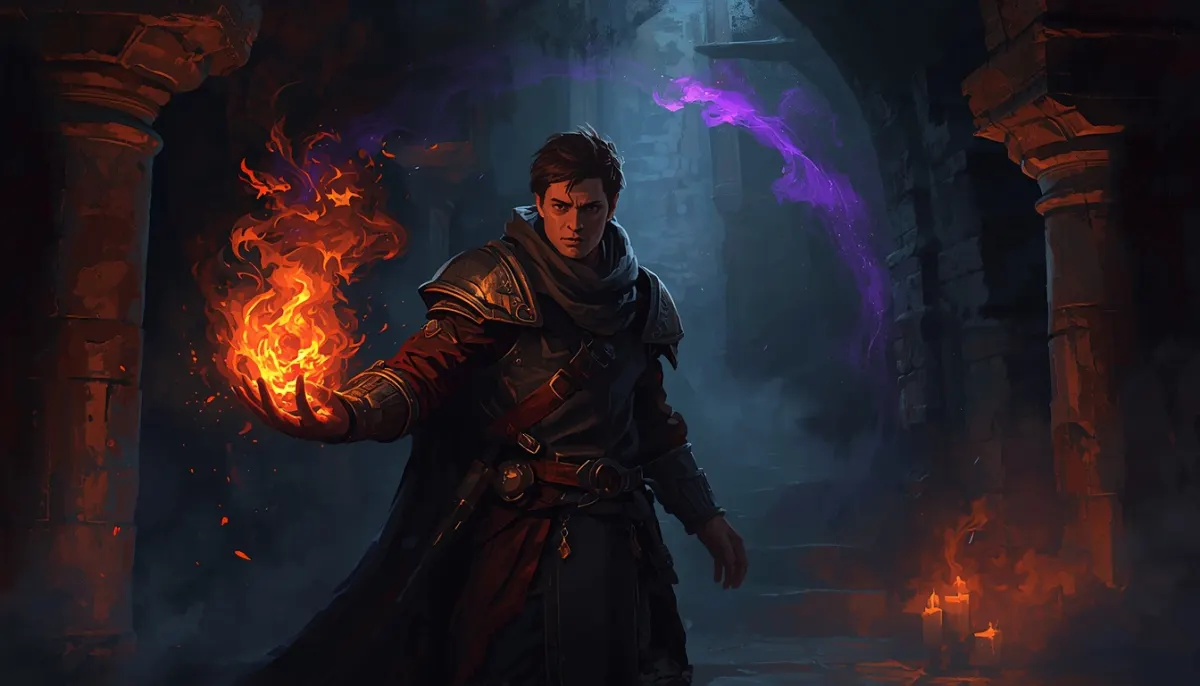
Every level 1 hero starts with an Origin feat, and the background picks it, not you. SRD 5.2.1 holds four: Alert, Magic Initiate, Savage Attacker and Skilled. Each one changes a different part of play. Here they are, quoted, with the odds on what each one buys.
Where the feat comes from
A background gives your character a specified Origin feat (described in "Feats").
The four SRD backgrounds give one each:
| Background | Origin feat | Skills |
|---|---|---|
| Acolyte | Magic Initiate (Cleric) | Insight, Religion |
| Criminal | Alert | Sleight of Hand, Stealth |
| Sage | Magic Initiate (Wizard) | Arcana, History |
| Soldier | Savage Attacker | Athletics, Intimidation |
A Human gets a second one:
Versatile. You gain an Origin feat of your choice (see "Feats"). Skilled is recommended.
So a Human Soldier starts with Savage Attacker and a free pick, often Skilled or Alert.
Alert: who moves first
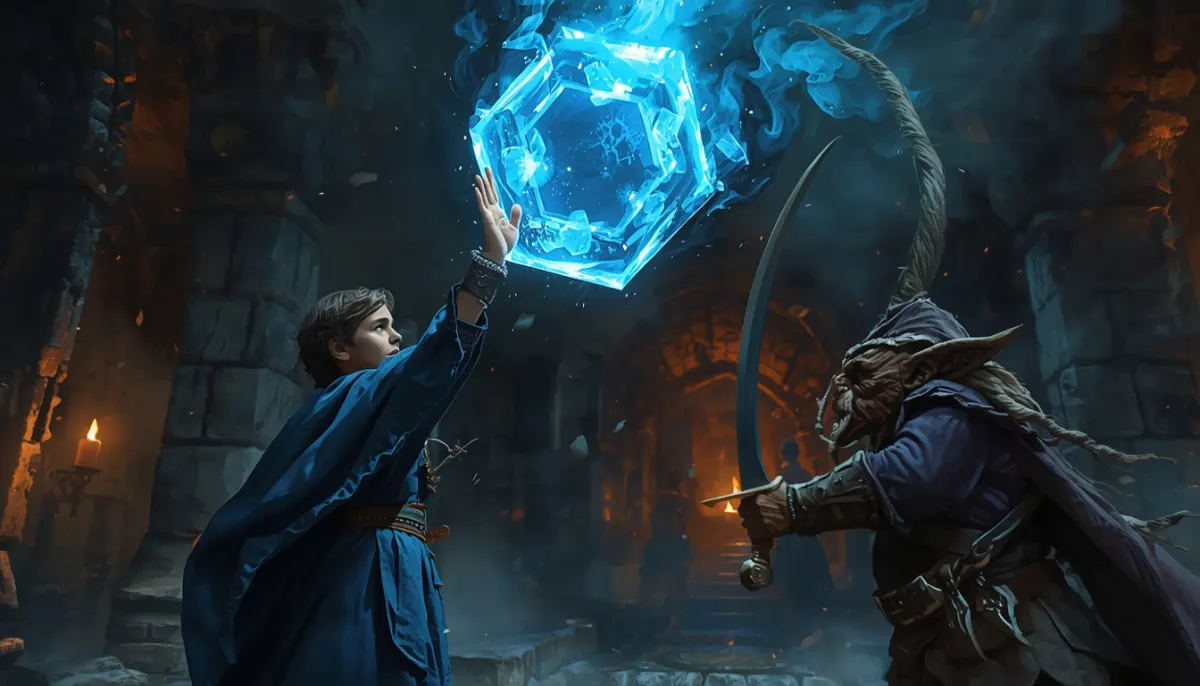
Initiative Proficiency. When you roll Initiative, you can add your Proficiency Bonus to the roll. Initiative Swap. Immediately after you roll Initiative, you can swap your Initiative with the Initiative of one willing ally in the same combat. You can't make this swap if you or the ally has the Incapacitated condition.
Initiative is a Dexterity check, and the GM makes "a single roll" for a group of identical monsters. Take a Criminal Rogue with Dexterity 16 (+3) against a band of Goblin Warriors (+2). On a tie between a monster and a hero, the GM decides, so count only clean wins:
| Rogue's Initiative | Beats the goblins | Surprised (Disadvantage) |
|---|---|---|
| +3, no feat | 52.5% | 35.9% |
| +5, Alert at level 1 | 61.8% | 45.8% |
The Proficiency Bonus grows with level, so the +2 becomes +6 by level 17.
The swap does more. Put the Rogue beside a Wizard with Dexterity +2. Alone, the Wizard beats the goblins 47.5% of the time. With the swap, the party takes the better of the two rolls and hands it to the Wizard: 72.0%. A Burning Hands before the goblins spread out is worth more than a Rogue's first stab.
Magic Initiate: two cantrips and a free spell
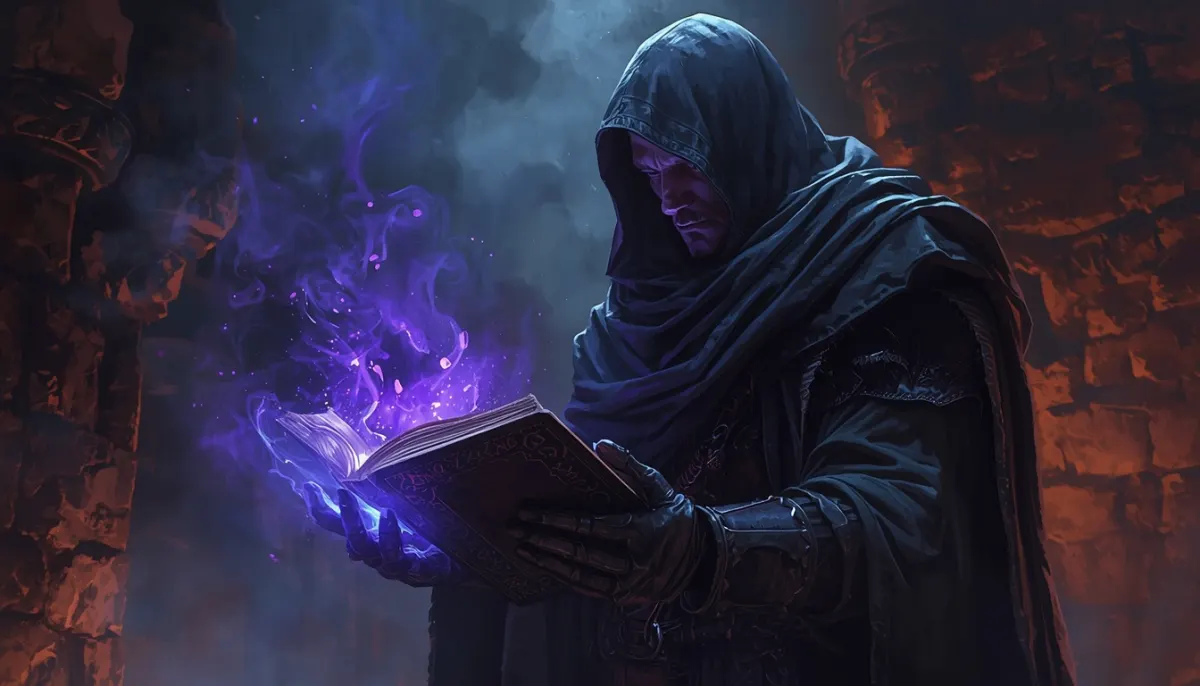
Two Cantrips. You learn two cantrips of your choice from the Cleric, Druid, or Wizard spell list. Intelligence, Wisdom, or Charisma is your spellcasting ability for this feat's spells (choose when you select this feat). Level 1 Spell. Choose a level 1 spell from the same list you selected for this feat's cantrips. You always have that spell prepared. You can cast it once without a spell slot, and you regain the ability to cast it in that way when you finish a Long Rest. You can also cast the spell using any spell slots you have.
Pick the ability your hero already has high. An attack cantrip from a score of 10 hits like a dagger thrown by someone who never trained.
The Acolyte's version. Guidance and Bless are the quiet strong picks:
You touch a willing creature and choose a skill. Until the spell ends, the creature adds 1d4 to any ability check using the chosen skill.
Whenever a target makes an attack roll or a saving throw before the spell ends, the target adds 1d4 to the attack roll or save.
A +5 check against DC 15 passes 55% of the time; with Guidance, 67.5%. A +5 attack against AC 15 (a Goblin Warrior) hits 55%; with Bless, 67.5%, for up to three allies, once a day for free. Both need Concentration, so one at a time.
The Sage's version. Shield, cast as a Reaction "when you are hit by an attack roll":
Until the start of your next turn, you have a +5 bonus to AC, including against the triggering attack.
A Goblin Warrior (+4) hits a Wizard with AC 12 on a 65% roll. Shield lifts the AC to 17 and the goblin needs 13 or better: 40%. So Shield turns about 38% of the hits that land into misses, and the rest of that round's attacks face AC 17 too. A Wizard already has slots for it; the feat adds one more cast a day.
Repeatable. You can take this feat more than once, but you must choose a different spell list each time.
Savage Attacker: the better damage roll
Once per turn when you hit a target with a weapon, you can roll the weapon's damage dice twice and use either roll against the target.
It rerolls only the weapon's dice, not the modifier. Average damage from the dice:
| Weapon dice | One roll | Better of two |
|---|---|---|
| 1d4 | 2.5 | 3.1 |
| 1d6 | 3.5 | 4.5 |
| 1d8 | 4.5 | 5.8 |
| 1d10 | 5.5 | 7.2 |
| 1d12 | 6.5 | 8.5 |
| 2d6 | 7.0 | 8.4 |
Big single dice gain most: the Greataxe's d12 gains 2.0, the Greatsword's 2d6 gains 1.4. What matters more is the kill. A Goblin Warrior has 10 Hit Points. A Soldier Fighter with Strength 16 (+3):
| Weapon | Drops it in one hit | With Savage Attacker |
|---|---|---|
| Longsword (1d8+3) | 25.0% | 43.8% |
| Greataxe (1d12+3) | 50.0% | 75.0% |
| Greatsword (2d6+3) | 58.3% | 82.6% |
Once per turn, so a Fighter with Extra Attack uses it on one hit, not both. Use it on the hit that can end something.
Skilled: three more things you're good at
You gain proficiency in any combination of three skills or tools of your choice. Repeatable. You can take this feat more than once.
Proficiency adds the Proficiency Bonus to the check. A Fighter with Dexterity 12 (+1) sneaking past a DC 15 guard succeeds 35% of the time. Proficient in Stealth: +3, 45%. Add an Acolyte's Guidance: 57.5%. Three skills or tools is the widest reach of any Origin feat. Pick the checks the party has nobody for: Perception, Insight, Thieves' Tools.
Which one, when
- Want to act first, or have a slow caster in the party: Alert.
- A martial hero who wants a trick, or a caster who wants one more spell: Magic Initiate, with the ability you already have high.
- A big two-handed weapon: Savage Attacker.
- The party has gaps in skills: Skilled.
The background still decides, so pick the background for the feat you want, then take its scores and skills. For a whole level 1 build, see A Hero in Ten Minutes. For how Initiative feeds into the round, see Your Turn in Combat. For Bless and Guidance holding up under hits, see Concentration.
This work includes material from the System Reference Document 5.2.1 ("SRD 5.2.1") by Wizards of the Coast LLC, available at dndbeyond.com/srd. The SRD 5.2.1 is licensed under the Creative Commons Attribution 4.0 International License.